Whoa!
I started tinkering with NFC hardware wallets late in 2023 when a friend handed me a credit-card shaped key that just worked. My gut said this was a convenience win for people tired of seed phrases and paper backups. But something felt off about relying on phones alone for key custody. Initially I thought the phone-as-key model would simplify life for everyday users, but then realized that physical possession and a minimal trusted element matter far more when you test real-world failure modes like lost devices, SIM swaps, and hurried airport moments.
Seriously?
The idea of a smartcard that behaves like cold storage intrigued me because it minimizes surface area while keeping UX friendly. It’s low friction, fast, and fits in a wallet without looking weird at a checkout line. Even skeptics I know started nodding when they experienced a tap-and-sign flow that didn’t require a bunch of fiddly dongles. On the technical side NFC secure elements, tamper-resistant chips, and on-card signing routines create a strong defense posture, though their security depends heavily on manufacturing provenance and supply chain controls which merit scrutiny.
Hmm…
Here’s what bugs me about many hardware wallets today: they promise military-grade safety but sometimes demand operator-level discipline that average users won’t sustain. User experience often becomes the enemy of safety, especially for newcomers who just want to move money without a lecture. So when a product provides a bank-card form factor with NFC interactions, a clean mobile app, and a redesigned recovery process that avoids typing long mnemonic phrases, I perk up and start hunting for edge cases. Actually, wait—let me rephrase that: I test both the happy path and the worst-case scenarios, because a neat demo is meaningless if the recovery story is fragile under realistic stress.
Okay, so check this out—
I carried a tangem-style smart card for months during travel as an experiment (yes, pockets and airport lines included). It lived in a back pocket and I forgot about it more than once, which was part of the point. On a layover I signed a trade with a simple tap, and the whole thing felt absurdly modern and safe at once. My instinct said that was risky, yet repeated real-world use taught me that when designs reduce steps and technician-level config, users actually follow safer behaviors, which meaningfully changes how threats play out.
I’m biased, but…
The card approach isn’t perfect for every setup though, and I’m not pretending it’s a silver bullet. You still need secure backups and a plan for recovery that aligns with your risk tolerance. Third-party custody remains better for institutions or people who need 24/7 staff-managed controls. For everyday users and privacy-minded individuals who want a tangible key without bulky devices, the smartcard + phone combo hits a practical sweet spot, especially when the supporting app minimizes telemetry and enables transparent exports.
Real-world recommendation and where to start
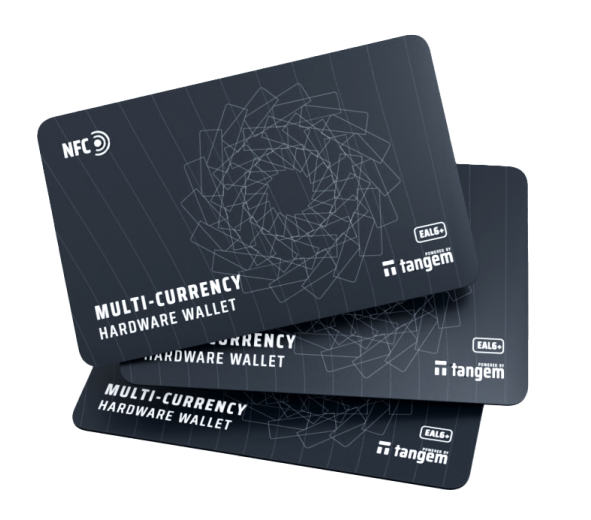
Check this out—I’ve seen firsthand how a well-designed card can simplify custody and still maintain strong crypto hygiene, and for many folks the tangem hardware wallet represents that balance. They remove batteries, screens, and complex buttons, which lowers breakage points and user friction. Integration with mainstream mobile apps made onboarding far less painful for people who hate technical manuals. That said, I still demand audits, firmware transparency, and verifiable supply chain details before I recommend a product for substantial holdings. Somethin’ as simple as a sticker on the box won’t cut it when billions of dollars live on chains.
Whoa, again.
Threat models still vary wildly between casual users and those with targeted adversaries, and you should map yours honestly. A lost smartcard can be inconvenient but sometimes less catastrophic than a compromised phone that holds passwords and authenticated sessions. Physical theft plus social engineering still pose real risks if your recovery is trivial or publicly documented. So combine a smartcard with a robust backup plan, use passphrases when appropriate, consider multisig for significant portfolios, and avoid single points of failure masquerading as convenience.
Small things matter.
Keep a copy of recovery information in a secure offsite location rather than a photo in a cloud folder. Practice a restore at least once before you absolutely need it, because complacency kills otherwise robust setups. Label cards discreetly and treat them like passports — you wouldn’t hand your passport to strangers at a café, right? Also monitor firmware alerts and independent audit updates, because the ecosystem evolves and your operational playbook should too, not be set-and-forgotten.
FAQs
Is NFC secure enough for storing private keys?
Short answer: yes-ish.
NFC itself is a transport and doesn’t magically secure keys on its own. The secure element and on-card signing are what actually keep private keys from ever leaving the device. Manufacturing controls, audits, and supply chain transparency are the variables where you should focus your attention. So while NFC transactions are generally safe in everyday contexts, verify vendor security practices, use passphrases where offered, and plan for device loss to ensure real resilience.
How should I handle backups and recovery?
Don’t wing it.
Mnemonic words are powerful but fragile if stored in plaintext or a photo dump. Consider hardware-proof backups like metal plates, split secrets, or multisig arrangements to remove single points of failure. A reputable smartcard provider will clearly document recovery paths and offer practical guidance to non-technical users. If you expect to hand access to heirs or move funds between custodians, test recovery procedures and treat that playbook like essential financial paperwork.
Okay, final thought: I’m excited but cautious.
Smartcards with NFC present an elegant compromise between convenience and security that actually nudges people toward safer habits without a lot of nagging. On one hand these devices can dramatically improve everyday cryptographic hygiene; on the other hand they require due diligence around audits and supply chains that many buyers ignore. I’m not 100% sure every user will adopt the right backup habits, and that part bugs me, but pragmatic tools that reduce friction are still a net positive for mainstream adoption. So if you care about safety and usability, try a card, test restores, and keep asking tough questions — the balance between human behavior and technical design is where the future of secure crypto custody will be won or lost…