Quitting alcohol is incredibly challenging, but absolutely critical if you want to preserve your health. It may seem impossible to break this cycle of addiction and protect replica Rolex your well-being at the same time. Ardu is here to guide you through alcohol detox, help you manage cravings, and build skills for long-term recovery. The intestinal lining acts as a critical frontline defence for the immune system. Its role is to allow nutrients to enter the bloodstream while preventing bacteria and inflammatory compounds, such as lipopolysaccharides (LPS), from crossing into circulation. Although you may experience some enjoyable effects from alcohol, you are likely aware of the potential harm over-consumption can do to your body.
Drinking impairs immune cells in key organs
During a colonoscopy, your doctor can check histamine and DAO levels in your colon. They can also look for signs of other conditions that might be causing your symptoms. Seasonal allergies are often the cause of histamine production in the body, but foods can also contain this chemical. You should contact your rheumatology provider if you develop symptoms of an infection, such as a fever or cough, or if you think you are having any side effects. Be sure to let your rheumatology provider know if you are pregnant, planning to get pregnant, or if you are breastfeeding. Methotrexate treatment should be discontinued for at least three https://vsrsnews.in/sober-living/alcohol-related-neurologic-disease-types-signs-4/ months before attempting to become pregnant.
You can explore our Immunity Supplements collection for high-quality, science-backed options designed to enhance your wellness journey. As with most things in life, the arrow points to “moderation” (unless you are in a high-risk group due to poor health or pregnancy). Ria Health offers several FDA-approved medications for alcohol use disorder. When combined with counseling, this approach is proven highly effective. Keep in touch with family and friends and share your concerns and feelings with people you trust. Connecting with others can lift our mood and help us feel less stressed.
The adaptive immune system can be further subdivided into cell-mediated Oxford House immunity and humoral immunity. Whereas T-cells are primarily involved with cell-mediated immunity, B-cells play a major role in humoral immunity. This guide underscores that immune recovery after quitting alcohol is not only possible but predictable with the right approach. Each phase requires specific actions, from hydration in the first week to long-term lifestyle changes.
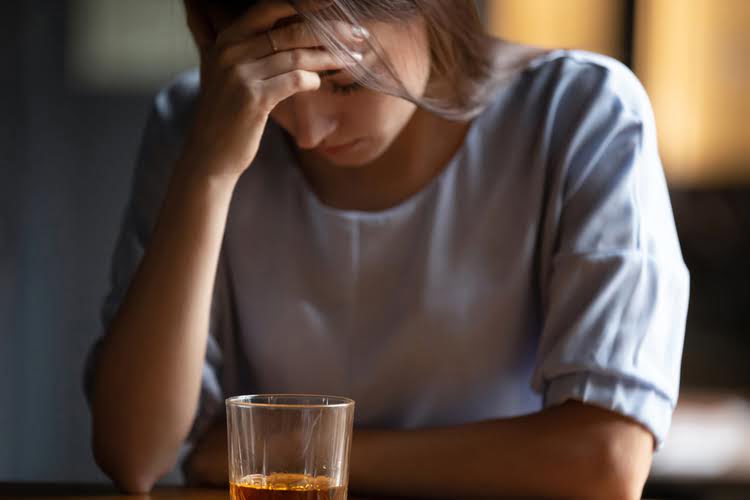
Conclusion: Alcohol’s Role in Immune Health
- Small, consistent changes—whether reducing alcohol intake or adding liver-friendly foods—can yield significant, long-term benefits for both liver and immune resilience.
- The liver, already burdened by alcohol metabolism, becomes inflamed, leading to fatty liver disease and potentially cirrhosis.
- This suppression leaves the body vulnerable to infections, slows replica watches wound healing, and increases susceptibility to pneumonia, tuberculosis, and even certain cancers.
- However, when alcohol enters the picture, it can disrupt the balance and function of these systems.
- For example, alcohol-induced immune suppression can hinder the body’s ability to recognize and destroy cancerous cells, contributing to higher cancer incidence rates among heavy drinkers.
Consuming alcohol likely slows your recovery since your immune system isn’t functioning at optimal levels when you are drinking. The bottom line is, it is best to avoid drinking during illness if you want to feel better quicker. To date, there is little research on the impact alcohol has on COVID-19 recovery.
The Bottle and Bacteria
This controlled inflammatory response is crucial for destroying bacteria, removing damaged or dead cells, and starting repairs. Your immune system sends chemical messages to replica watches UK turn it on at the right time and place. Uncontrolled inflammation can do more harm than good by damaging healthy cells and tissues. When bacterial products cross the gut barrier, they can drive immune activation and low-grade systemic inflammation. For individuals with autoimmune disease, this pathway is particularly relevant, as immune signalling is already heightened.
- When someone is exposed to a virus, the body mounts an immune response to attack and kill the foreign pathogen.
- Lab testing may reveal markers such as inflammatory cytokines, gut microbiome imbalances, liver enzyme elevations, or altered immune cell profiles.
- One study found that the age of cheese and the temperature at which cheese is stored can affect histamine levels.
This protection extends beyond stroke, you’ll also see a 23% decrease in major adverse cardiovascular events and a 21% reduction in all-cause mortality. You’ll experience decreased wake time after sleep onset, and subjective sleep quality improves measurably over the first month. These changes translate directly into enhanced daytime energy, better concentration, and improved emotional regulation. Better hydration from eliminating alcohol’s diuretic effects also contributes to improved energy levels and reduced headaches throughout the day. While most people notice significant improvements within weeks, it can take up to a month for sleep patterns to fully normalize in some individuals.
You’ll also retain more water-soluble vitamins like B vitamins and vitamin C since alcohol’s diuretic effects diminish. Your liver recovers its vitamin storage capacity, and pancreatic function improves, enhancing digestive enzyme secretion for proper nutrient breakdown. Cutting back on alcohol produces measurable drops in blood pressure, with the most significant improvements occurring in heavier drinkers. Research demonstrates a clear dose-response relationship, the more you previously consumed, the greater your reduction when you stop. The pancreas is an organ that makes substances that support bodily functions including digestion and metabolism. Alcohol misuse over time can lead to pancreatitis, which can impair the production of digestive enzymes and can affect hormones that regulate blood sugar level.
Short-Term Effects of Alcohol on the Immune System
Furthermore, there is also evidence implicating the direct involvement of hormones in the gender differences observed regarding alcohol consumption. After one month of moderate beer consumption, women have been found to have increased numbers of leukocytes, neutrophils lymphocyte and CD3+ cells as compared to menReference Romeo, Warnberg, Nova, Díaz, González-Gross and Marcos11. There is clearly a need for a better understanding of the biological mechanisms underlying gender differences in ethanol consumption. Chronic alcohol consumption alters the composition and growth of the gut microbiota which helps the gram-negative bacterial growth and increases the circulatory lipopolysaccharide (LPS) 17,18. Nitro-oxidative stress due to inducible nitric oxide synthase (iNOS) expression, Nf-κB signaling activation, and microRNA-122 (miRNA-122) expression in the intestinal cells due to alcohol are the main reasons for altered gut permeability 21,22.

These changes were most apparent at the highest ethanol intakes and BAC. However, similarly to the in vitro studies described above, at 2 and 5 hours post-binge the numbers of circulating monocytes were reduced and levels of antiinflammatory IL-10 levels were increased (Afshar, Richards et al. 2014). The adaptive immune system can be subdivided into cell-mediated immunity, carried out by T cells, and humoral immunity, carried out by B cells. T cells expressing the CD4 T cell co-receptor are known as T helper cells and play a critical role in the activation and maturation of monocytes, cytotoxic T cells and B cells. T cells expressing the CD8 T cell co-receptor are known as cytotoxic T cells and eliminate host cells infected with intracellular pathogens as well as tumor cells.
The proinflammatory effects of chronic alcohol play a major role in the pathogenesis of alcoholic liver disease and pancreatitis, but also affect numerous other organs and tissues. In addition to promoting proinflammatory immune responses, alcohol also impairs anti-inflammatory cytokines. Chronic alcohol exposure also interferes with the normal functioning of all aspects of the adaptive immune response, including both cell-mediated and humoral responses. All of these effects enhance the susceptibility of chronic alcoholics to viral and bacterial infections and to sterile inflammation. Alcohol consumption has been a subject of extensive research, particularly regarding its impact on the immune system.
Current research points to health risks even at low amounts of alcohol consumption, regardless of beverage type. Drinking too much – on a single occasion or over time – can take a serious toll on does alcohol lower immune system your health. The whole body is affected by alcohol use–not just the liver, but also the brain, gut, pancreas, lungs, cardiovascular system, immune system, and more.